
Best physiotherapist in pari chowk- Dr. Yash Pratap is one of the best physiotherapists for frozen shoulder in Greater Noida.
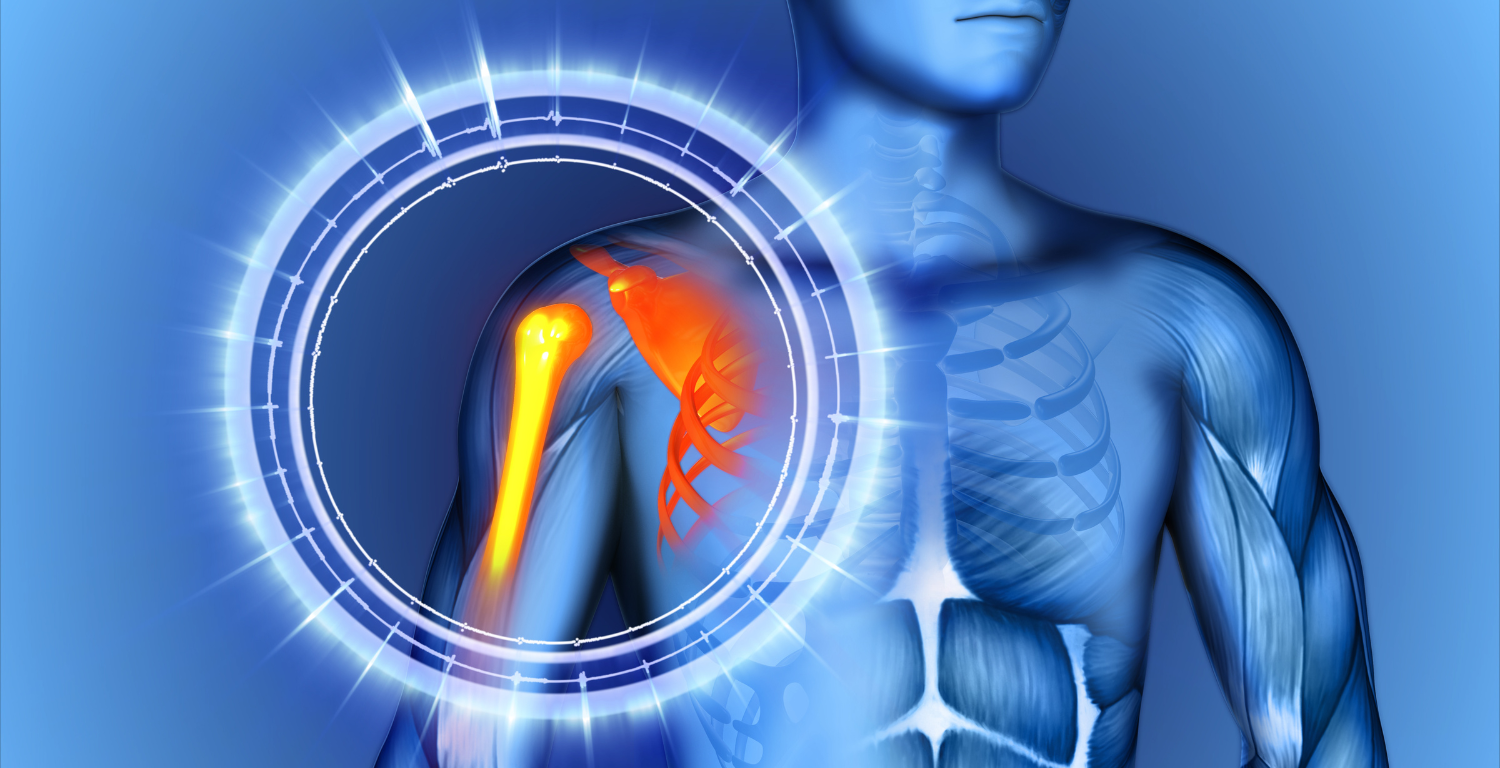
Free from shoulder pain.
A condition of unknown cause, frozen shoulder (sometimes called adhesive capsulitis) is described as “a condition of significant limitation of both active and passive shoulder motion that occurs without the presence of a confirmed intrinsic shoulder disorder.” It can be because of your poor sedentary lifestyle or any post-traumatic event sometimes the causative event is unknown and can be because of internal body pathological changes.
If you are under these categories of diseases and likely occurring spectrum please consult your physician and physiotherapist for the early diagnosis and timely management of the condition and associated symptoms respectively. It also includes patients having diabetes, thyroid involvement commonly hypothyroidism, nephrolithiasis, Parkinson’s disease, cancer, shoulder injury, smoking, and neck surgeries.
What symptoms are visible in the Frozen shoulder?
The symptoms that patients with frozen shoulders commonly experience include a gradual stiffness in the shoulder, significant pain that frequently becomes more severe throughout the night, and a near-complete loss of both passive and active external rotation of the shoulder. In most cases, the patient’s history, clinical examination, or radiographic evaluation do not reveal any major findings that can explain the loss of motion or the experience of discomfort.

The shoulder that has been frozen might be categorized as either main or secondary.
The illness known as primary idiopathic frozen shoulder is frequently linked to various diseases and disorders, such as diabetes mellitus. It may even be the initial manifestation of a diabetic patient having the condition. It is more likely that patients who suffer from systemic disorders, such as Parkinson’s disease and thyroid disease, will be affected. Subacromial impingement, rotator cuff tendon tears, biceps tenosynovitis, and calcific tendonitis are a few examples of shoulder injuries or immobility that can lead to secondary adhesive capsulitis. The shoulder pathology causes these individuals to experience pain, which in turn leads to a reduction in movement in that shoulder, ultimately resulting in a frozen shoulder’s development.

Individuals suffering from FS report subtle beginnings of discomfort and rigidity without any prior history of trauma, infection, or inflammation. The patient typically experiences shoulder pain that is poorly localized and is most bothersome at night while they are lying on the afflicted side. One of the most important results of the index shoulder examination is the worldwide restriction of both active and passive range of motion (ROM) at least in two planes. One of the first symptoms is the loss of external rotation with the arm by the side of the chest. A worldwide restriction of range of motion (ROM) is defined as follows: if the range of motion is less than 100° in forward flexion, less than 10° in external rotation, and less than L5 vertebral level in internal rotation, then it is considered restricted. It was shown that the affected shoulder’s passive external rotation could only rotate less than 50% of the contrary shoulder when radiographs were taken normally there is a relative unchanged in the rotator cuff’s strength.
The “three clinicopathological stages” (freezing, frozen, and thawing) that are traditionally used to define FS are useful for understanding, explaining to patients, and determining the best course of treatment. In therapeutic practice, another classification that is proposed as “pain predominant” and “stiffness predominant” is equally helpful
The three stages’ major medical characteristics are, in order, stiffness, pain, and pain and stiffness.
1. The freezing stage: This phase can endure for two to six months. Clinically, moderate-to-severe pain and partial range of motion restriction are the main characteristics of stage 1. Its pathological features include a gradual emergence of extensive inflammation affecting the shoulder joint’s capsule and synovium, which leads to the gradual advent of “pain” as the main symptom. In the early stages of the freezing stage of FS, rotator cuff tendinopathy may be mistaken for only discomfort and ultimate loss of range of motion because the latter condition similarly exhibits a painful loss of range of motion. In contrast to FS, where ROM worsens with each follow-up visit, RC tendinopathy does not show a cumulative worsening of ROM.

2. The frozen period, stage 2 could endure for four to twelve months. According to clinical standards, this stage is marked by varied degrees of “pain and stiffness.” In stage 2, patients are more in pain in the early phases and more in stiffness in the latter phases. Pathologically, it is marked by a progressive reduction in inflammation and the beginning of extensive ligament and capsule fibrosis, which causes a significant restriction in the range of motion.

- The thawing stage: This phase could extend for six to twenty-six months. Clinically speaking, this stage is marked by little pain and a progressive release of stiffness. Its pathological features include a gradual recovery of movement and a slow resolution of inflammation as well as fibrosis, which leads to little pain.

The physio therapist at our SpineAct, Greater Noida location uses the following treatment exercises that are utilized to treat Frozen shoulder
- Motor control exercises: Exercises that help restore coordination and make more efficient use of the muscles that support the spine and shoulder are known as motor control exercises (MCE). These exercises are performed by a large number of people. The objective of MCE exercises is to activate the deep trunk muscles, as well as the muscles in the shoulders and back. After that, the exercises evolve into increasingly complicated activities that integrate the activation of both the deep trunk muscles and the global trunk muscles.
- Technique-based exercises: e.g. High-grade mobilization techniques, A significant component of the intervention is the utilization of mobilization strategies. It is possible to undertake mobilization procedures in the form of physiologic movements or auxiliary movements (Appendix 1). Movements of the humerus in the cardinal planes, such as flexion, extension, abduction, adduction, external rotation, and internal rotation, are examples of the physiological movements that occur at the glenohumeral joint. Accessory movements are movements that are passively created by a therapist and include rolling, gliding (or sliding), spinning, and distracting inside the joint. These movements are referred to as non-active movements.
- Strength and Conditioning: Whether you’re an amateur, professional, or just getting started, strength and conditioning is a fantastic method to change your body and see amazing results. It focuses on several strategies to improve movement, health, and physical performance, and it involves a substantial amount of more than just lifting weights. As more individuals become aware of the numerous advantages of movement-based fitness, the market for strength and conditioning is expanding. In the past, strength and conditioning was considered to be a specialized setting that was primarily practiced by athletes. Plyometrics, speed and agility, mobility, core stability, endurance, and weight training are some of the methods that can be utilized, along with a lot of other methods, depending on the requirements of the person or the team!
- PNF Stretching: One kind of advanced flexibility training is called proprioceptive neuromuscular facilitation (PNF) stretching, which entails contracting and stretching muscles. PNF has the potential to increase muscle strength, ROM, and flexibility. Additionally, it can assist avoid knots by realigning muscle fibers and connective tissue. Both skilled and inexperienced people can benefit from PNF stretching, and the results can linger for up to 90 minutes.
- Kettlebell ROM exercises: High-intensity workouts like kettlebell movements can enhance your range of motion, flexibility, strength, and cardiovascular fitness. In 20 minutes, they can also assist you in burning up to 400 calories. Exercises with kettlebells frequently target your arms, legs, and abs all at once.
- Electrotherapy Modalities: We use a variety of electrotherapy modalities in our one-month rehabilitative program to treat frozen shoulders at our spine and shoulder facility in greater noida which helps the patients to recover faster.
- Shock-wave treatment – To learn more about shock-wave treatment click the link
- Through a variety of techniques, physio therapy is essential in the management and avoidance of frozen shoulders and associated injuries, we at Spineact offer a monthly rehabilitative program for comprehensive physiotherapy treatment for frozen shoulders in Greater Noida.
Manual therapy treatment:
To move the shoulder joint and soft tissues, physical therapists use hands-on procedures that improve the range of motion and reduce pain.
extending and fortifying exercise regimens that are specifically tailored to each patient’s demands gradually increases shoulder joint strength and mobility.

Techniques
To treat pain and inflammation, physical therapists may employ techniques including electrical stimulation, ultrasound, heat, or ice.
Instruction
- To avoid more injuries, patients receive education about their condition, ergonomics, and good posture.
- Posture instruction
Maintaining good posture is crucial to avoiding shoulder problems. Patients receive instruction from physical therapists on proper posture and ergonomic modifications.
- Modification of activity
To prevent overuse and strain on the shoulder, physical therapists work with patients to adapt their everyday activities and exercise regimens.
- Exercises for prevention: The recurrence of a frozen shoulder and associated problems can be avoided by consistently engaging in shoulder mobility and strength-promoting activities.
Workout regimens for frozen shoulder at home:
- Individualized home exercise regimens are given to patients to support their continued development and preservation of shoulder health.
Although frozen shoulders can be a crippling ailment, people can effectively manage and recover from it with the help of a physical therapist and the appropriate exercises. We are one of the trusted and best physiotherapy clinics near Purvanchal Royal Green City Greater Noida and the best physiotherapy clinic near Jaypee Greens Greater Noida. Additionally, by combining education, posture training, and customized exercise regimens, physical therapy heals frozen shoulders and plays a critical role in avoiding shoulder problems.
In need of assistance for shoulder conditions?
If you have a frozen shoulder, these are just a few of the crucial exercises and advice you can perform. You can also consult at our rehabilitation facility Spineact for your frozen shoulder our expert Dr. Yash Pratap one of the top physiotherapists in Greater Noida and Delhi NCR, with the training and experience necessary to facilitate a quicker and less traumatic recovery for you we offer physiotherapy therapies that enhance your general health, including shoulder pain relief, To book an appointment, give us a call right now!