
Physiotherapist for spinal stenosis near pari chowk- Spineact physiotherapy clinic is the best physiotherapy clinic in Greater Noida
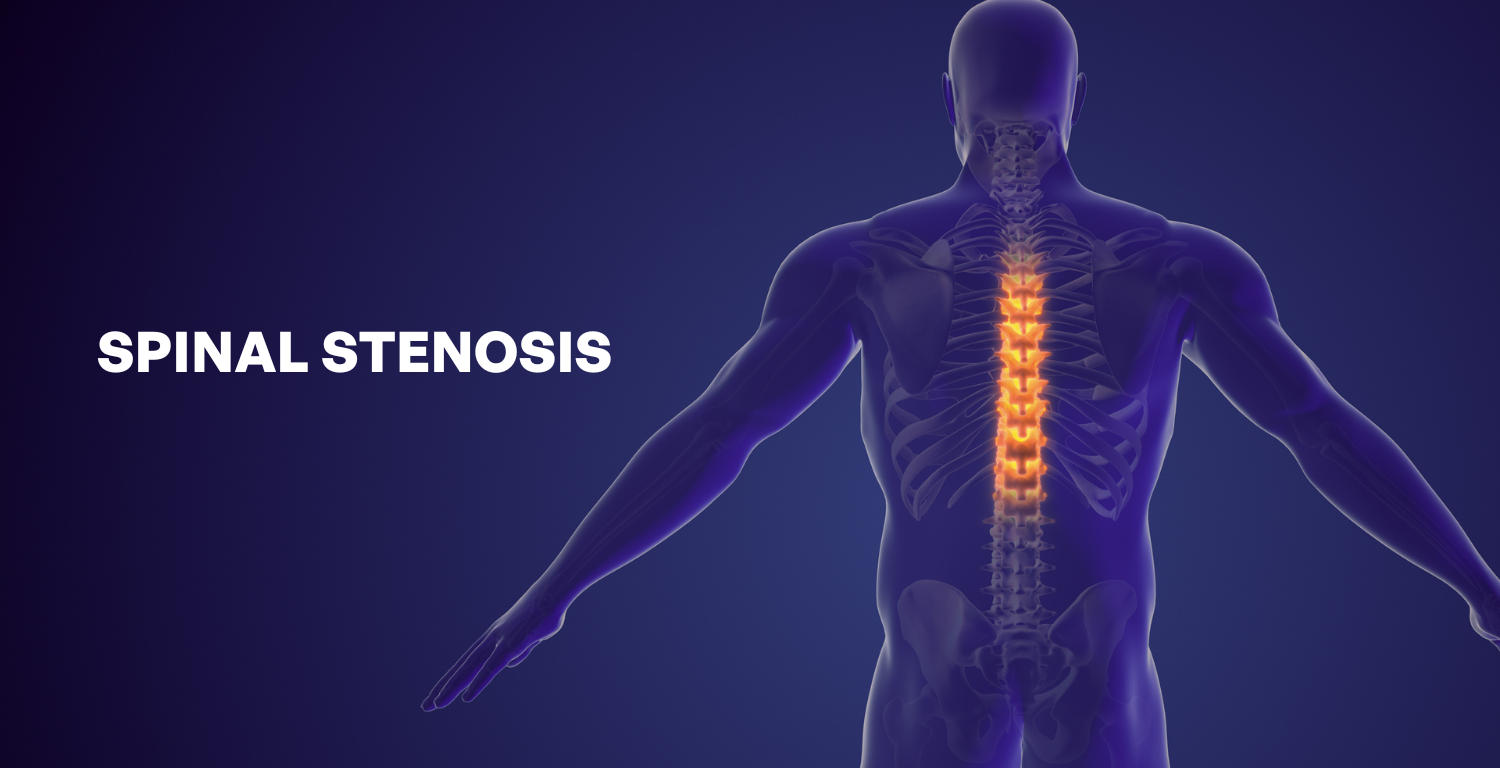
Treatment for spinal stenosis by the best physiotherapy clinic near Pari-chowk, Greater Noida.
A disorder known as spinal stenosis causes pain, numbness, and paralysis due to multiple pathologic factors compressing the nerve roots. Although a disk herniation can also compress the thoracic spine, the areas most commonly affected are the upper neck (cervical) and lower back (lumbar). Spinal stenosis can impact three distinct anatomic locations in the vertebral canal.
- First, a narrowing of the anterior-posterior central canal, which houses the spinal cord, can compress neural components and reduce blood flow to the spinal cord in the cervical region and the cauda equina in the lumbar region.
- The neural foramen, which are orifices via which the nerve roots leave the spinal cord, can also become compressed due to unstable sliding of one vertebral body about the level below, disk herniation, and facet joint and ligament hypertrophy.
- Last but not least, facet joint hypertrophy may compress the lateral recess, which is unique to the lumbar spine and is described as the region along the pedicle where a nerve root penetrates just before its escape through the neural foramen.
Every kind of compression might cause a different set of symptoms that call for a different kind of treatment, depending on the level of the spine that is afflicted. The majority of patients will fortunately have a smooth recovery even in the absence of surgery, even though they will most likely feel some kind of back discomfort. Less than 2% will experience compression of a nerve root, and just 1-3% will have a herniated disc. As people age, spinal stenosis is prevalent, but it is impossible to anticipate who will experience symptoms. Sometimes, altering one’s lifestyle can slow down the degenerative process. More than 90% of people over 50 have a chance of developing spinal stenosis, specifically lumber stenosis. This number is fairly common for a diagnosis at age 65 and is associated with a high surgical rate.

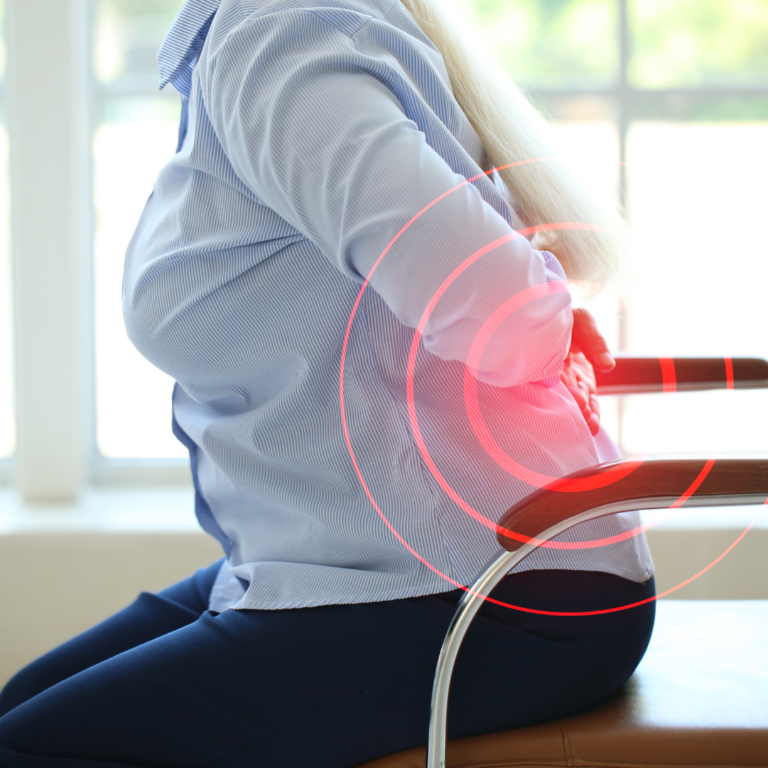
Lumbar spinal stenosis symptoms :
- Lumbar (low back) spinal stenosis symptoms include:
- You’re experiencing lower back pain. This is an ache that travels down your leg from your buttocks. It might go all the way to your foot.
- A weight sensation in your legs could result in either one or both legs cramping.
- Numbness or tingling in your leg, foot, or buttocks (sometimes known as “pins and needles”).
- Pain that gets worse when you walk, stand for extended periods or go downhill and soreness that goes away when you sit, lean forward, or walk uphill.
Cervical spinal stenosis symptoms :
Anywhere below the site of nerve compression in your neck is where you can experience the symptoms of cervical spinal stenosis. Among the symptoms are:
- Neck pain.
- Tingling or numbness in your foot, leg, or arm.
- Clumsiness or weakness in your foot, leg, or arm.
- Balance issues.
- Reduced hand function, such as trouble writing or buttoning clothes.
How Is a Physiotherapy of Assistance?
The main goal of your physio therapist is to support you in carrying out your regular activities and responsibilities. Based on the results of the assessment as well as your objectives, he or she will create a treatment plan. Most likely, a mix of workouts will be included in the therapy plan.
Your physical therapist will create a customized treatment plan to address your particular requirements and objectives. Among the things your program might include:
Soft Motion. You could learn particular motions from your physical therapist that can help relieve pressure on the nerve root and reduce discomfort.
Exercises for range of motion and stretching. To increase the range of motion in the muscles and joints of your spine and limbs, you could pick up specialized workouts. A joint’s improved range of motion is frequently the key to pain reduction.
Strengthening Activities. Robust muscles of the trunk, namely the back and belly, support your spinal joints, whereas robust muscles of the arms and legs lessen the strain on your spinal joints.
Exercise for Aerobics. To improve your tolerance for tasks like walking that may have been impacted by your spinal stenosis, you can practice aerobic exercise motions.
This may seem like a lot of activity, but don’t worry—research indicates that you’ll lose pain and other symptoms more quickly the more exercise you can tolerate!
Additionally, your physical therapist may choose to combine various therapies, such as:
Manual therapy, or hands-on care, like soft tissue release, may be used by your physical therapist to help loosen up stiff joints that could be aggravating your symptoms.
Strengthening Modalities, The use of rehabilitation tools, such as a unique harness attachment for a treadmill that helps lessen pressure on the spinal nerves when walking, may be recommended by your physiotherapist.
Postural Instruction. You might be able to reduce tension on the nerves by adjusting your posture when sitting, standing, and walking.
Decompression Unit: It is one of the rarely found machines set up, we are 3rd in India having this specialized unit for the treatment of conditions like spinal stenosis.
Is It Possible to Prevent This Injury or Condition?
Most often, spinal stenosis develops naturally as people age. We still don’t know how to stop it, according to research. We are aware, nevertheless, that you have choices that can decrease the effects of spinal stenosis on your life and even halt its advancement, even in our one-month rehabilitation program we focus on regular strength and condition from the initial days which helps the patient to back in control.
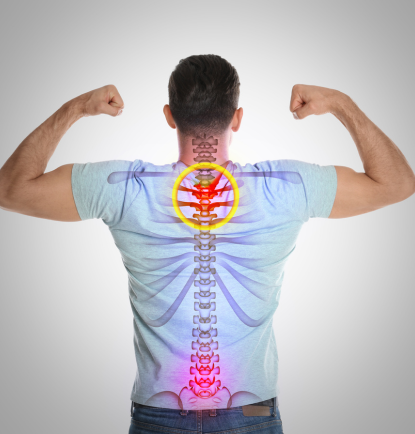
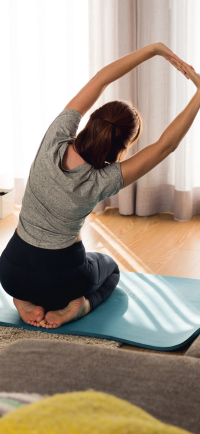
Advice for patients having spinal stenosis :
- Frequent exercise helps you maintain a healthy body weight, develops the muscles supporting your back, and maintains the flexibility of your spinal joints.
- Your back can be protected by using supportive beds and chairs and by avoiding activities that put it at risk of injury, like heavy, awkward, or repetitive lifting.
- You can create a fitness regimen that accommodates your spinal stenosis with the assistance of your physical therapist. For those who have spinal stenosis, certain exercises are better than others. Your physiotherapist can advise you on which exercises and activities are best avoided.
- Walking is generally more unpleasant than sitting, therefore cycling could be a better option for you to receive regular exercise. Everybody experiences low back pain differently and uniquely. Your physio therapist will create a customized training regimen for you based on your goals, your health profile, and the results of your movement examination.
Which Sort of Physiotherapist Am I Looking for?
Physio therapists are all qualified to treat patients with spinal stenosis based on their medical training and experience. You might want to think about:
A qualified professional with expertise in managing patients with orthopedic, musculoskeletal, or pain conditions, also has specialized rehabilitation facilities like us at Spineact Greater Noida, patients search our clinic as one of the best physiotherapist in Greater Noida. A physiotherapist who has finished an orthopedic residency or fellowship, or who is a board-certified clinical specialist. This physical therapist can help with your issue because of their extensive training, experience, and talents.
Current research results there are few good exercises in treating the symptoms of lumbar spinal stenosis. Combinations of stretching, well-tolerated aerobic workouts, and core strengthening with a focus on lumbar flexion are often advised, along with other safety measures guided by the physio these exercises are good in promoting initial functionality and activity:
These exercises could be beneficial for those with spinal stenosis:

Tip of the pelvis: With your knees bent and your feet flat on the ground, assume a prone position and maintain a relaxed arm position.
- Stretches for the knees to the chest: While lying on your back, bring both knees up to your chest.
- Stretching your quads while standing: As you stand, contract your quadriceps.
- Planks that have been altered: Maintaining your back straight and your shoulders above your elbows, balance on your hands and knees, contract your abdominal muscles, and lower your upper body onto your forearms.
- Hamstring, quadriceps, and lower back muscular stretches: This may facilitate better pelvic and spinal alignment.
Increasing the strength of your abdominal muscles can assist relieve pressure on your spine.
- Hip mobilization: This can assist in enhancing the hip joint’s range of motion.
– Aerobic exercise: This can keep the heart healthy and aid in the healing of the spinal muscles.
In case your symptoms are not relieved kindly consider getting help from a qualified professional, our physiotherapy facility is near Pari chowk greater noida.