
Shockwave Therapy
When an injury progresses to a chronic non-healing state, shockwave therapy is a useful, non-invasive treatment for injured soft tissues, particularly tendon and plantar fascia. Shockwave therapy has been clinically demonstrated to accelerate metabolic reactions and is a safe substitute for surgery, steroid injections, and other treatment injections.
It does this by inducing an initial phase of healing and by activating enzymes that reduce pain. This results in a high rate of success in treating these challenging, frequently chronic, and excruciatingly painful injuries. All four of our practices use shockwave therapy, which is a relatively recent non-invasive therapeutic modality that is interchangeable with radial pressure wave therapy (RPW). It is a tool that physiotherapists employ to treat musculoskeletal disorders, most frequently in the context of tendon rehabilitation. Microscopic tears are frequently present in the damage associated with overuse tendon injuries. These alterations result in calcification, adhesions, scar tissue, and inflammation. This may limit a patient’s range of motion, impair daily functioning, and ultimately result in discomfort. These ailments frequently resist the body’s natural healing processes.
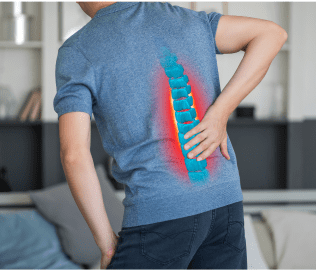
Shockwave therapy is a technique used by physical therapists to induce controlled and acute trauma as well as microscopic lesions in the tissue. Now, don’t be afraid; because these are so small, there won’t be any harm done. The body’s natural healing processes are triggered and new blood vessels are stimulated by these microscopic alterations.
At Spineact, we think that shockwave therapy should be applied in addition to other forms of physio therapy. Manual therapy approaches and graded exercise/loading programs are a couple of these.
- It is a non-invasive technique for managing both severe and ongoing pain.
- No anesthetic is needed for this therapy.
- lessens discomfor
- Boosts movement
- Its adverse effects are minimal.
It is frequently employed in the management of musculoskeletal disorders. Shockwave treatment is reasonably priced.

How does our Spine & Shoulder Clinic use shock waves?
On his first appointment, the our physiotherapist evaluates the patient to make sure he is a good fit for shockwave therapy. The gel is applied to the treatment region to begin the treatment. The therapy head or applicator is applied directly to the affected area. In order to transmit the waves through the patient’s skin, a gel medium is needed. There is no specific methodology for treating musculoskeletal problems; instead, the parameters and intensity are administered based on the patient’s level of comfort. It can be utilized with activity modification and workouts tailored to the individual treatment. The patient is recommended to have shockwave therapy once a week for three to six weeks, depending on the outcome.
Shockwave therapy is most commonly used in the treatment of common musculoskeletal conditions. These include:
- Acute and chronic muscular pain in cervical and lumbar spine regions.
- Chronic tendinopathy
- Calcific tendinosis of rotator cuff muscles
- Frozen shoulder
- Dorsalgia
- Tennis elbow
- Golfers elbow
- Carpal tunnel syndrome
- Sciatic pain
- Tensor fascia late syndrome
- Iliotibial band friction syndrome
- Greater trochanteric pain syndrome
- Avascular necrosis of the femoral head
- Medial tibial stress syndrome
- Osteoarthritis of the knee
- Patellar tendonitis
- Jumper’s knee
- Bursitis
- Metarsalgia
- Tibialis anterior syndrome
- Achilles tendonitis
- Plantar fasciitis
- Heel spurs
- Fracture
- Exostosis of small joints
- Repetitive strain and overuse injuries.