
Best Physiotherapist for Persistent heel pain treatment in Beta 2, Greater Noida — how Spine Act Physiotherapy resolves plantar fasciitis without surgery
Dr. Yash Pratap — Ph.D. · Senior Physiotherapist · Founder
Spine Act Physiotherapy Clinic (Shoulder & Spine Clinic), Beta 2, Greater Noida
15+ years experience · Serving Beta 1 · Beta 2 · Gamma · Alpha 1 · Jaypee Greens · Purvanchal Society · Pari Chowk & surrounding Greater Noida areas · Car Pick & Drop available
Spine Act Physiotherapy Clinic (Shoulder & Spine Clinic), Beta 2, Greater Noida
15+ years experience · Serving Beta 1 · Beta 2 · Gamma · Alpha 1 · Jaypee Greens · Purvanchal Society · Pari Chowk & surrounding Greater Noida areas · Car Pick & Drop available
It starts the moment your feet hit the floor in the morning. A sharp, stabbing pain in the heel — intense enough to make you wince, persistent enough to affect the first few steps of every single day. If this sounds familiar, you are almost certainly dealing with plantar fasciitis, the most common cause of heel pain in adults and one of the most stubbornly mismanaged conditions in orthopaedic physiotherapy.
Residents across Beta 2, Beta 1, Gamma sector and the wider Greater Noida belt — from professionals walking to Pari Chowk’s commercial hubs to residents navigating the long corridors of Purvanchal Society — search for relief in rest, painkillers, or expensive orthopaedic insoles. Most find that the pain returns the moment they resume normal activity. The reason is simple: the cause has not been addressed, only the symptom.
At Spine Act Physiotherapy Clinic, located in Beta 2 just minutes from Pari Chowk, Dr. Yash Pratap takes a different approach — using clinically proven, non-surgical therapies including Shockwave Therapy and Class 4 Deep Tissue Laser Therapy to treat plantar fasciitis at the source, not just manage its symptoms. The clinic’s founding philosophy — No Surgery. No Drugs. No Pain — is not marketing language. It is a clinical commitment.
What is plantar fasciitis — and why does it refuse to go away on its own?
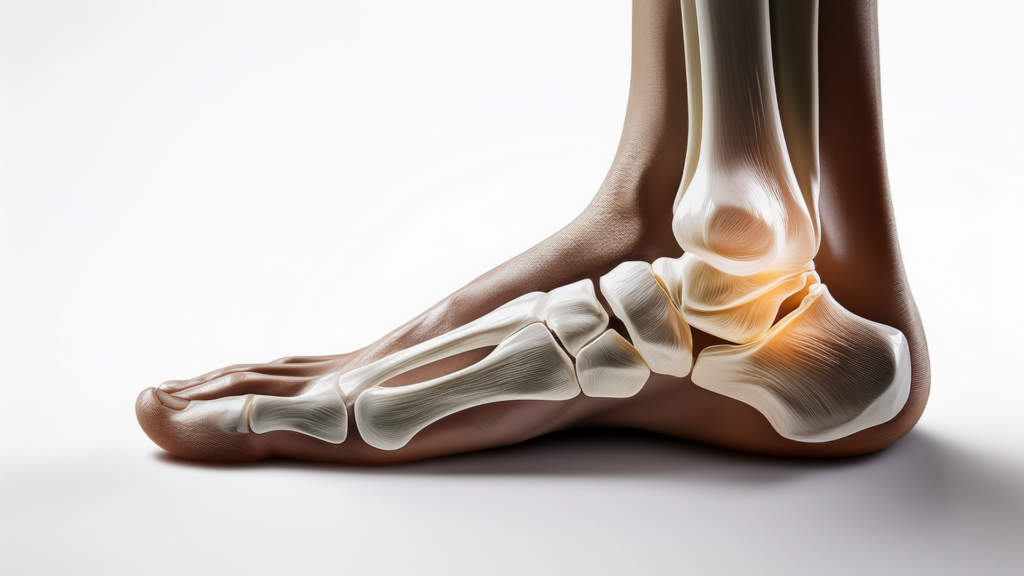
The plantar fascia is a thick band of connective tissue running along the sole of the foot, connecting the heel bone (calcaneus) to the base of the toes. Its primary role is to support the arch of the foot and absorb the mechanical load of every step you take. When this tissue is subjected to repetitive stress — from prolonged standing, sudden increases in activity, poor footwear, or biomechanical imbalances — microscopic tears develop at its attachment point on the heel bone.
The body responds to these micro-tears with inflammation. Initially, this inflammation is protective. But when the stress is ongoing and the tissue never gets adequate recovery, the fascia enters a cycle of chronic low-grade injury — never fully healing, never fully recovering, and becoming progressively less capable of handling normal loads. This is the state most patients are in when they arrive at Spine Act Physiotherapy in Beta 2: not an acute injury, but a chronic, degenerative condition that standard rest and anti-inflammatory medication are incapable of resolving on their own.
Understanding this distinction is critical. Plantar fasciitis that has persisted for more than six to eight weeks is no longer primarily an inflammatory problem — it is a degenerative tendinopathy. It requires therapies that stimulate tissue regeneration, not just reduce inflammation. This is precisely where Shockwave Therapy and Class 4 Laser Therapy — Spine Act’s signature treatment modalities — demonstrate outcomes that conventional approaches cannot match.
Symptoms and warning signs: how to know it is plantar fasciitis
Classic symptoms
- Sharp heel pain on the first steps of the morning
- Pain that eases mid-walk but returns after rest
- Tenderness at the base of the heel on pressing
- Stiffness and aching after prolonged sitting or standing
- Pain that worsens when walking barefoot on hard floors
Warning signs — see a physiotherapist
- Heel pain lasting more than 6–8 weeks despite rest
- Pain that spreads into the arch or ankle
- Numbness or tingling alongside the heel pain
- Pain that has altered the way you walk
- Previous diagnosis with no lasting improvement
Why residents of Beta 2 and Greater Noida are particularly vulnerable to persistent heel pain
Plantar fasciitis does not arise from a single cause — it is the outcome of a combination of biomechanical, lifestyle, and activity-related factors. Understanding what drives it in the Greater Noida context is important, because the same activity patterns that cause lower back and sciatic pain — which Dr. Yash Pratap also treats extensively at Spine Act Physiotherapy — often contribute to heel pain as well.
Hard flooring and long standing hours Beta 2’s commercial corridor — retail spaces, office buildings, bank branches, and institutions around Pari Chowk — requires many workers to stand on hard marble or concrete floors for 6 to 8 hours daily. Hard surfaces multiply ground reaction forces through the heel, accelerating plantar fascia wear. Residents of societies like Purvanchal also frequently walk on uneven or hard-tiled common areas.
Sedentary work followed by intense weekend activity The classic Greater Noida professional pattern — sedentary desk work Monday through Friday, followed by intense gym sessions, running, or cricket on weekends — creates the exact loading pattern that produces plantar fasciitis. The fascia is not conditioned to handle sudden high loads after extended periods of relative inactivity.
Poor footwear choices for long commutes Flat chappals, worn-out sports shoes, or unsupportive formal footwear during long commutes from Greater Noida to Noida or Delhi — often involving significant walking around metro stations — expose the plantar fascia to prolonged unloaded stretch, one of its primary irritants.
Tight calf muscles and reduced ankle mobility This is the biomechanical factor most patients are unaware of. Tight gastrocnemius and soleus muscles — extremely common in people who sit for long periods — create excessive tension through the Achilles tendon and into the plantar fascia. Without addressing calf tightness, any plantar fasciitis treatment will deliver only partial and temporary relief. This is why comprehensive physiotherapy rehabilitation is always more effective than isolated treatments.
How Dr. Yash Pratap treats plantar fasciitis at Spine Act Physiotherapy, Beta 2 — no surgery, no drugs
Dr. Yash Pratap’s approach to plantar fasciitis at Spine Act Physiotherapy in Beta 2 is built on a core insight: persistent heel pain is a tissue healing problem, not merely a pain management problem. The treatment protocol therefore combines regenerative therapies — which restart the healing process in degenerated tissue — with manual therapy and exercise rehabilitation that address the biomechanical causes driving the condition.
This is why Spine Act’s technology and rehabilitation facility is a key differentiator in Greater Noida. Most local physiotherapy setups offer standard electrotherapy and exercise — which is appropriate for mild, early-stage cases. For chronic plantar fasciitis, the evidence strongly favours the advanced modalities that Spine Act has specifically invested in.
Shockwave therapy for plantar fasciitis — Spine Act's advanced regenerative approach
Shockwave Therapy is the most evidence-supported non-surgical treatment for chronic plantar fasciitis in current physiotherapy literature. At Spine Act Beta 2, it is applied using radial pressure wave technology (RPW) — a method that delivers high-energy acoustic pulses directly into the degenerated plantar fascia tissue at the heel attachment point.
These acoustic pulses do three critical things simultaneously: they break down calcific deposits that can form in longstanding cases; they stimulate neovascularisation — the formation of new blood vessels in poorly vascularised tendon tissue; and they trigger a controlled acute healing response that restarts the natural repair cycle the chronic condition has inhibited. The result is genuine tissue regeneration, not symptom suppression.
A typical shockwave protocol at Spine Act consists of three to six weekly sessions. Most patients report a meaningful reduction in morning pain — the most disabling symptom — within two to three sessions. For patients who have been suffering for months or years and have tried rest, insoles, and steroid injections without lasting relief, shockwave therapy frequently produces outcomes that nothing else has achieved. Read the full Shockwave Therapy overview →
Class 4 deep tissue laser therapy for heel pain
Class 4 Deep Tissue Laser Therapy works through a process called photobiomodulation — the use of specific wavelengths of light to accelerate cellular repair and reduce pain at a biochemical level. At the intensity levels used in Class 4 laser (as opposed to lower-power Class 3 units), the therapeutic effect penetrates to the depth of the plantar fascia itself, not merely the surface tissue.
For plantar fasciitis, laser therapy reduces the inflammatory cytokines present in the tissue, stimulates collagen synthesis — essential for repairing the micro-tears at the fascia’s origin — and activates endorphin release that provides genuine, non-pharmacological pain relief. When combined with shockwave therapy, the two modalities address complementary aspects of the healing deficit in chronic plantar fasciitis, producing superior outcomes to either therapy used in isolation.
Laser therapy sessions at Spine Act Beta 2 are pain-free, require no preparation or recovery time, and are typically 10–15 minutes per session — making them highly practical for Greater Noida’s working population. Read the full Class 4 Laser Therapy overview →
Manual therapy, gait correction and exercise rehabilitation
Technology alone does not resolve plantar fasciitis. The biomechanical factors that produced the condition in the first place must be corrected, or the problem will recur once treatment ends. This is the rehabilitation component of Dr. Yash Pratap’s protocol at Spine Act Physiotherapy.
Plantar fascia and calf stretching protocols Specific, load-appropriate stretching of the gastrocnemius, soleus, and plantar fascia — performed in sequences that do not re-aggravate the healing tissue — progressively restore tissue length and reduce the mechanical tension that sustains the condition.
Eccentric loading and progressive strengthening Eccentric heel-drop exercises — the intervention with the most robust evidence base in tendinopathy management — are introduced at the appropriate stage of healing to build load tolerance in the fascia and surrounding musculature. This is the step that prevents recurrence and is most commonly omitted in incomplete treatment programmes.
Gait analysis and footwear advice Dr. Yash Pratap evaluates how each patient walks and identifies gait deviations — overpronation, heel striking, altered weight distribution — that place excess load on the plantar fascia. Corrections are made through targeted exercise and practical footwear guidance tailored to the patient’s lifestyle and daily demands in Greater Noida. This connects directly to the broader approach Spine Act takes in its comprehensive rehabilitation programmes.
Manual therapy and joint mobilisation Restricted mobility in the ankle joint and subtalar joint is a frequently overlooked contributor to plantar fasciitis. Manual joint mobilisation restores the range of motion that allows the foot and ankle complex to distribute load correctly, reducing the proportion carried by the plantar fascia during walking.
Physiotherapy for heel pain near Beta 2, Greater Noida — closer than you think
Spine Act Physiotherapy is located in Beta 2, Greater Noida — on the same side of Pari Chowk as the area’s largest residential and commercial clusters. Patients from Beta 1, Beta 2, Gamma sector, Alpha 1, Alpha 2, Jaypee Greens, and the Purvanchal Society belt reach the clinic in under 10 minutes without navigating the congestion of Noida’s inner sectors. There is ample parking directly in front of the facility.
For patients whose heel pain is severe enough that walking to a vehicle is itself difficult, Spine Act’s Car Pick & Drop service brings transport to your door. This is one of the practical commitments that distinguishes Spine Act from general physiotherapy setups in the region — the recognition that getting to treatment should never be the reason recovery is delayed.
The clinic operates from 9:00 AM to 8:00 PM, with slots available before and after standard office hours. Dr. Yash Pratap’s 15 years of clinical experience — including his previous roles as Head of Department at Kailash Hospital in Greater Noida and as Consultant Physiotherapist at Arogya Physiotherapy Center — are directly reflected in the assessment quality and treatment precision patients experience at every session. For residents of Beta 2 and surrounding areas, this level of specialist access without travelling to Delhi or central Noida is genuinely uncommon.
Related conditions treated at Spine Act Beta 2
Frequently asked questions — heel pain physiotherapy near Beta 2, Greater Noida
Voice search and near-me questions from residents across Beta 1, Beta 2, Gamma, Alpha sectors, Jaypee Greens, Purvanchal Society & surrounding Greater Noida areas
Who is the best physiotherapist near Beta 2, Greater Noida for persistent heel pain and plantar fasciitis?
Dr. Yash Pratap at Spine Act Physiotherapy Clinic in Beta 2 is one of Greater Noida’s most experienced specialists for plantar fasciitis and heel pain treatment. With a Ph.D. in physiotherapy and over 15 years of clinical experience — including previous roles at Kailash Hospital Greater Noida — Dr. Yash Pratap brings specialist-level assessment and access to advanced therapies like Shockwave and Class 4 Laser that most local clinics do not offer. The clinic is located in Beta 2, within 10 minutes of Pari Chowk and Purvanchal Society.
Is there a specialised heel pain clinic within easy reach of Beta 2, Greater Noida for plantar fasciitis treatment?
Spine Act Physiotherapy in Beta 2 is specifically equipped for musculoskeletal and tendon conditions including plantar fasciitis. It is one of the very few clinics in Greater Noida with both Shockwave Therapy and Class 4 Laser Therapy — the two most clinically supported treatments for chronic heel pain. The clinic is accessible from Beta 1, Beta 2, Gamma, Alpha sectors, Jaypee Greens and Purvanchal Society, with ample parking and a Car Pick & Drop service available for patients in acute pain.
Does Dr. Yash Pratap at Spine Act Physiotherapy offer Shockwave Therapy for plantar fasciitis in Greater Noida?
Yes. Shockwave Therapy is one of Spine Act’s core treatment modalities and is particularly effective for chronic plantar fasciitis — especially cases where rest, insoles and steroid injections have not produced lasting relief. The therapy is non-invasive, requires no anaesthesia, and typically involves three to six weekly sessions at the Beta 2 clinic. It works by stimulating genuine tissue regeneration in the degenerated plantar fascia, not just reducing pain symptoms temporarily.
What are the timings for Spine Act Physiotherapy in Beta 2, Greater Noida for heel pain treatment?
Spine Act Physiotherapy Clinic in Beta 2 is open from 9:00 AM to 8:00 PM, seven days a week. The extended hours are designed around Greater Noida’s working population — early morning slots are available before office hours, and evening slots accommodate patients returning from Noida or Delhi. Contact the clinic directly to confirm specific appointment availability for plantar fasciitis assessment and treatment sessions.
How do I book an appointment with Dr. Yash Pratap for plantar fasciitis treatment near Greater Noida?
The fastest way to book an assessment at Spine Act Physiotherapy is via WhatsApp on +91 92685 04629 — the clinic’s dedicated appointment line. You can also contact the clinic online or call +91 82929 27654. For patients in Beta 1, Beta 2, Gamma or Alpha sectors with severe heel pain, ask about the Car Pick & Drop service when you call. The first session includes a full clinical assessment before any treatment begins.
Which is the top-rated physiotherapy clinic for heel pain without surgery near Beta 2, Greater Noida?
Spine Act Physiotherapy Clinic in Beta 2 is consistently rated among Greater Noida’s leading physiotherapy facilities for its non-surgical approach to musculoskeletal conditions. The clinic’s founding philosophy — No Surgery, No Drugs, No Pain — directly applies to plantar fasciitis treatment. Patients from across Greater Noida and the Alpha-Beta-Gamma sector belt choose Spine Act because it offers the specialist technology and clinical depth to resolve chronic heel pain that general physiotherapy setups often cannot.
Where can I find a laser therapy and shockwave therapy expert for heel pain in Greater Noida near me?
Spine Act Physiotherapy in Beta 2 is one of the very few facilities in Greater Noida equipped with both Class 4 Deep Tissue Laser Therapy and Shockwave Therapy — the two modalities with the strongest clinical evidence for chronic plantar fasciitis. Dr. Yash Pratap applies both as part of a structured, individually designed protocol rather than as standalone treatments, which is what produces lasting results rather than temporary symptom relief. The clinic is near Pari Chowk, reachable from all Alpha, Beta and Gamma sectors of Greater Noida.
Why is Spine Act Physiotherapy the preferred choice for residents of Beta 2 and Greater Noida for plantar fasciitis treatment?
Four things consistently bring Greater Noida residents to Spine Act Physiotherapy for heel pain: the specialist technology (Shockwave + Laser), which most local clinics do not have; Dr. Yash Pratap’s clinical depth as a Ph.D. physiotherapist with 15 years of experience in complex musculoskeletal cases; the practical convenience of Beta 2 location, extended 9 AM–8 PM hours, and Car Pick & Drop service; and the clinic’s clear commitment to resolving the condition rather than managing it indefinitely. Patients who have lived with plantar fasciitis for months or years — trying everything short of surgery — consistently find that Spine Act’s combination of regenerative therapy and structured rehabilitation is what finally works.
When to stop waiting and start treating your heel pain
Plantar fasciitis is not a condition that rewards patience alone. Left unaddressed, chronic heel pain progressively alters the way you walk — and those altered movement patterns create secondary problems in the knees, hips, and lower back that are often harder to treat than the original issue. The residents of Greater Noida who recover fully are those who address the condition systematically, with the right therapies applied in the right sequence by a clinician who understands the biomechanics underlying it.
If your heel pain has persisted beyond a few weeks, has returned after previous treatment, or is affecting your daily routine around Beta 2, Pari Chowk or your society — a clinical assessment at Spine Act Physiotherapy is the appropriate starting point. The assessment identifies specifically what is driving your heel pain and what an effective treatment protocol looks like for your situation.
Dr. Yash Pratap’s full message to patients outlines the clinical philosophy that guides every treatment at Spine Act. It is worth reading before your first appointment — not because it sells the clinic, but because it explains the thinking behind why the approach works.
Spine Act Physiotherapy Clinic · Beta 2, Greater Noida · Near Pari Chowk · Opposite / near Purvanchal Society
Open 9:00 AM – 8:00 PM · Book appointment via WhatsApp · Call: +91 82929 27654
Serving Beta 1 · Beta 2 · Gamma · Alpha 1 · Alpha 2 · Jaypee Greens & surrounding Greater Noida areas · Car Pick & Drop available