
Top physiotherapy treatment for Herniated Discs in beta 2: Spineact physiotherapy clinic is one of the best physio therapy clinic in Greater Noida.
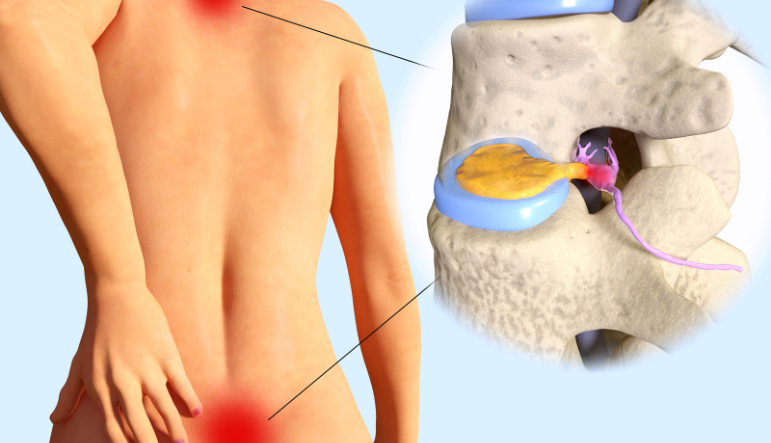
Spineact physiotherapy clinic in greater noida your partner clinic to help you recover from hearniated disc.
When you have a displaced disc, it can be really painful in the back. Don’t worry, though. Knowing about this common spine problem and how to deal with it can make all the difference in your healing. We will talk about precisely what a herniated disc is, how to identify and treat it, and how physical therapy can help you get back on track. We also mentioned some of the exercises to try at home to relieve your disc symptoms in the last section.
What is a herniated disc?
Look at your spine as a bunch of pillows, with each pillow being a disc. When the outside of one of these cushions gets broken, the gel-like material inside comes out. This is called a herniated disc. This can put pressure on nerves or the spinal cord, making you feel pain and making it hard to move around.
How commonly are disc herniation symptoms prevalent?
Every year there are 5-20 cases per 1000 adult population is annually reported, Disk herniation is more common than you may imagine. Most adults in their 30s to 50s are severely affected, making up a sizable share of the populace. Males are typically more vulnerable than females, and the lower back, or lumbar spine (L4-L5), is frequently the main location of incidence that may also lead to symptoms in the buttock, hip, legs, and foot in severe cases other than the upper and lower back. Another area of disc herniation is the cervical spine (C5 – C6, C6 -C7) which leads to the spread of its symptoms in the neck and hands prominently restricting day-to-day activities and also responsible for other progressive symptoms if not taken care of timely.
How to know you have a slipped disc?
There are a few commonly present symptoms that are associated with slipped disc / herniated disc, these are mentioned below sequentially in order of cumulative occurrence.
- It is very painful and may lead the patients into sustained irritation, in the majority of cases it heals with time or some patients don’t feel any symptomatic pain even after the existence of a herniated disc, In case of sustained pain you must visit your physio therapist, we mentioned in the treatment why a physiotherapist is the best choice for treating disc related painful symptoms?
- Other Indicative symptoms of herniated discs are pain traveling down the legs or hands as mentioned above leading to cause weakness in the upper extremities and lower extremities affecting your ability to move, and perform daily tasks, and hindering other crucial movements of living.
- There could be numbness, tingling sensation, and restricted motions in these areas that provoke while performing specific movements or going back in certain momentary situations.
Disc Bulge
Low Back Pain
Extreme pain during ADLs
Our Promise No Pain No Drug No Surgery |
What is the suggested treatment for disc herniations?
MRI scans, physical examinations, and a combination of symptoms are commonly used to diagnose a herniated disc. While certain cases are painless, others might need medical attention if their symptoms don’t disappear. Surgery is not always necessary to cure herniated discs; but, in extreme circumstances, it can be to relieve pain and restore function.
What happens when your physiotherapist asks for an examination?
The doctor will check for any sustained tenderness, spasm, or stiffness in the affected areas like the back for that you might be asked to lie flat or move into different positions to determine your painful symptoms and their functional causative factors. Further, testing might involve screening for potential spinal serious conditions, which involves neurological and psycho-social examination associated with reflex testing, muscle testing, nerve movement testing, ability to feel touch, vibration, and pressure. At our Spine and Shoulder clinic, we comprehensively screen our patients and also involve deep detail functional examination to asses core specific and non-specific symptoms of our patients experience.
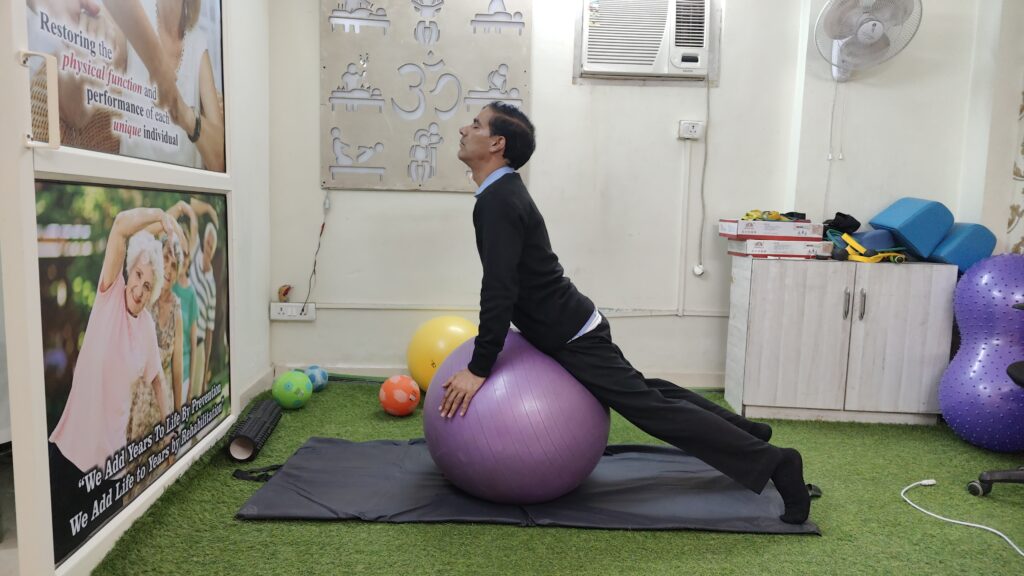
Why you must choose physio therapy as your first choice of treatment?
Part of Physical Therapy: Physical therapy plays a crucial part in the recovery journey from a herniated disc. Therapists assist in reducing pain, regaining mobility, and averting further injuries by combining passive and aggressive therapies. Physiotherapy gives you the skills you need to take back control of your body, from relaxing methods like heat and cold therapy to focused exercises for flexibility and strength.
Your physical therapist can be your guide in healing! You can connect with us in our advanced physiotherapy clinic facility.
However, the process continues after therapy sessions. Your physical therapist will arm you with self-care principles to keep a pain-free lifestyle long after treatment ends. By applying taught exercises and adopting healthy behaviors, you can greatly lower your chance of recurring herniated disc discomfort while also strengthening and resilienting your back.
A herniated disc may complicate your everyday tasks, but with the correct information and assistance, you can recover more quickly than before. A pain-free future can be achieved by comprehending the subtleties of this ailment and accepting the advice of a qualified physical therapist from diagnosis through therapy and beyond. So, take care of your back health today and step into a brighter, more active tomorrow! Our clinic spineact, in greater noida is one of the best facility for physio therapy treatment, we curate our rehabilitation program according to patients condition and help them recovery from their discomfort.
Researchers advise physical therapy as a first line of treatment option which holds the ability to restore completely and return to your daily life. We are one of India’s First facilities specialized in treating spine conditions and shoulder conditions, equipped with the most advanced and rarely found medical technology facility.
Home Exercises for Lumbar disc herniation: safe exercises for the bulging discs are mentioned along with their procedure-
1. BIRD DOG
To do this exercise:
- 1. Squeeze your abdominal muscles until your lower back is flat like a tabletop. 1. Start on your hands and knees.
- 2. Extend the other leg behind you and raise one arm over your head without allowing your pelvis to tilt.
- 3. Remain in this posture for five to ten seconds, then go back to the beginning and repeat with the other extremity.
- 4. Aim for two to three sets of ten reps each day.


2. DYING BUG
To do this exercise:
- 1. Lay flat on your back with your knees bent and your feet flat on the floor.
- 2. By tenseing your abdominal muscles, ensure that your lower back is level with the floor.
- 3. March your legs off the ground, keeping your core firm, and then progressively drop each one back down.
- 4. After that, alternate between lifting and dropping your arms to your sides.
- Keep switching between your legs and arms. Every day, finish three sets of five repetitions.
3. CAT AND CAMEL
To do this exercise :
- Place yourself on the ground, hands and knees.
- Let your head hang loose and fall naturally.
- Until your upper, middle, and lower backs feel nicely stretched, round your back upward toward the ceiling.
- Hold this position for 15 to 30 seconds, or for whatever long it feels comfortable.